Frequently Asked Questions
How clinics support family involvement in hearing care?
Clinics support family involvement in hearing care by encouraging family members to participate in assessments, providing educational resources, and facilitating open communication between audiologists and families to ensure comprehensive support for the patient's hearing health.
What role do families play in hearing care?
Families play a crucial role in hearing care by providing support, encouragement, and assistance in recognizing hearing difficulties. Their involvement helps individuals seek timely assessments and adhere to treatment plans, enhancing overall hearing health and communication.
How can families assist in hearing assessments?
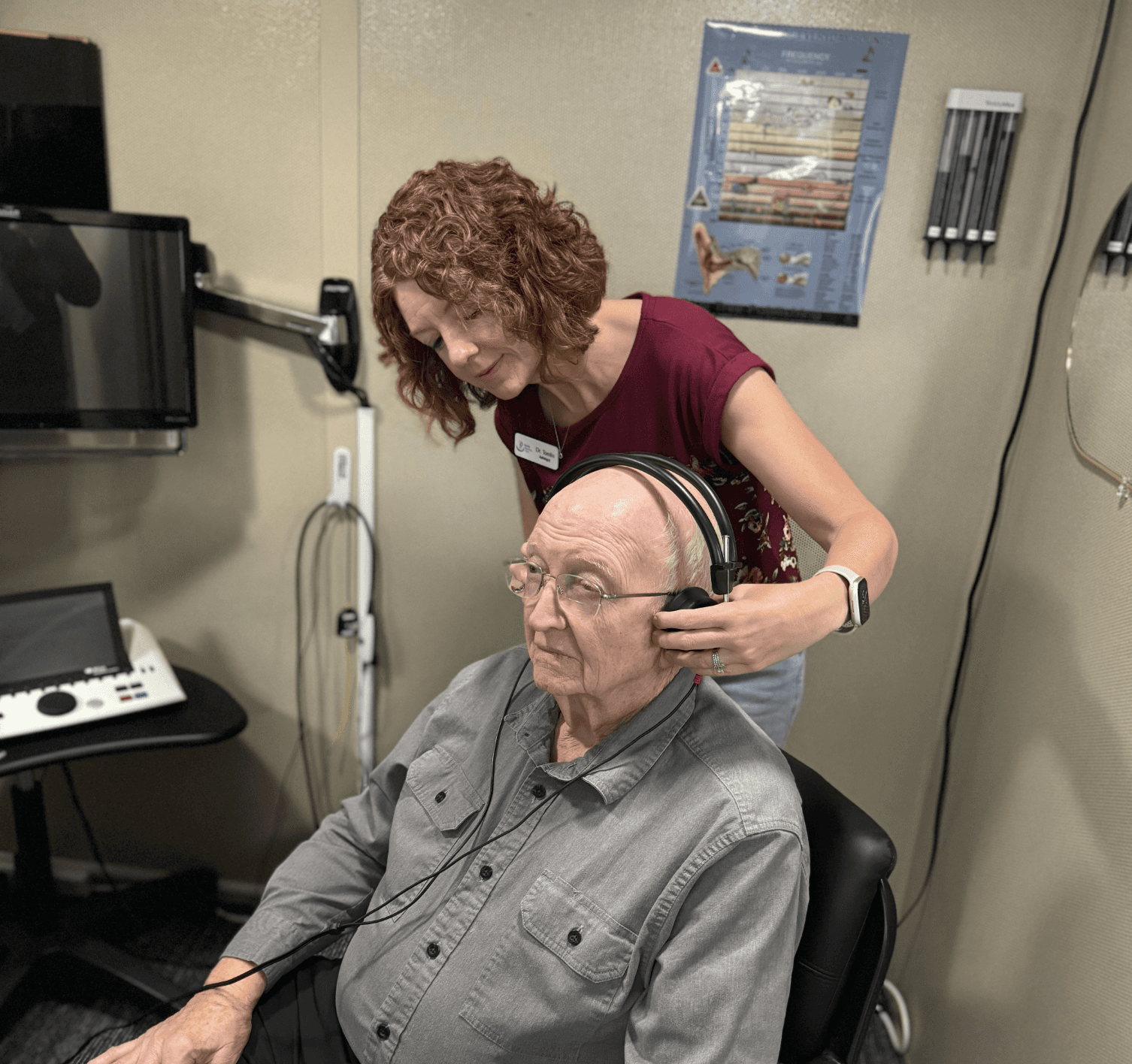
Families can assist in hearing assessments by providing emotional support, sharing observations about the individual's hearing challenges, and helping to communicate any concerns to the audiologist, ensuring a comprehensive evaluation and tailored care.
What resources are available for family support?
Resources available for family support include local audiology services, counseling programs, support groups, and educational materials that help families understand hearing loss and navigate care options effectively.
How do clinics involve families in treatment?
Clinics involve families in treatment by fostering open communication, encouraging participation in assessments, and providing education about hearing health, ensuring that family members are active partners in the care process.
What information do families need for hearing care?
Families need information on hearing assessments, available hearing aid options, repair services, and how to book appointments with qualified audiologists to ensure comprehensive hearing care for their loved ones.
How can families advocate for hearing health?
Families can advocate for hearing health by promoting regular hearing assessments, educating themselves about hearing loss, and supporting loved ones in seeking professional help from audiologists for timely interventions and personalized care.
What are the benefits of family involvement?
The benefits of family involvement include enhanced support, improved communication, and a stronger sense of belonging. Engaging family members fosters better understanding and encourages a collaborative approach to care, ultimately leading to better outcomes for individuals.
How do audiologists communicate with families?
Audiologists communicate with families through clear discussions about hearing assessments, treatment options, and care plans, ensuring that all concerns are addressed and that families are actively involved in their loved one's hearing health journey.
What training do families receive in hearing care?
Families receive training in hearing care that includes understanding hearing loss, proper use and maintenance of hearing aids, and communication strategies to support loved ones effectively. This training empowers families to actively participate in the hearing care process.
How can families help with hearing aid usage?
Families can support hearing aid usage by encouraging regular use, assisting with maintenance, and fostering open communication about hearing needs. This involvement helps ensure effective listening experiences and enhances the overall quality of life for the user.
What challenges do families face in hearing care?
Families face several challenges in hearing care, including difficulty accessing timely assessments, navigating insurance coverage, and the emotional impact of hearing loss on family dynamics. These factors can complicate the process of obtaining necessary support and services.
How can clinics improve family engagement?
Clinics can improve family engagement by fostering open communication, involving families in care decisions, and providing educational resources that empower them to participate actively in their loved ones' health journeys.
What strategies enhance family participation in care?
Strategies that enhance family participation in care include fostering open communication, involving family members in decision-making, providing education about treatment options, and encouraging regular feedback to create a supportive environment for shared care responsibilities.
How do family dynamics affect hearing health?
Family dynamics significantly influence hearing health. Supportive family environments encourage regular hearing check-ups and prompt treatment, while negative dynamics may lead to neglect of hearing issues, ultimately impacting an individual's overall well-being and communication.
What feedback do families provide to clinics?
Families provide clinics with feedback that often highlights the quality of care, the effectiveness of communication with audiologists, and the overall satisfaction with hearing assessments and services. This input helps clinics improve their offerings and patient experience.
How can families support each other in care?
Families can support each other in care by fostering open communication, sharing responsibilities, and providing emotional support. Collaborating on care decisions and regularly checking in can strengthen bonds and ensure everyone’s needs are met effectively.
What is the impact of family support on outcomes?
The impact of family support on outcomes is significant, as it fosters emotional resilience, enhances motivation, and promotes better overall health and well-being, leading to improved results in various aspects of life, including recovery and personal development.
How do clinics educate families about hearing loss?
Clinics educate families about hearing loss through informative workshops, personalized consultations, and resource materials that explain the causes, effects, and management of hearing impairments, ensuring families are well-informed and equipped to make decisions about their hearing health.
What are common misconceptions families have about hearing care?
Common misconceptions families have about hearing care include the belief that hearing loss only affects the elderly, that hearing aids are uncomfortable, and that regular hearing check-ups are unnecessary. In reality, hearing issues can affect all ages, and modern hearing aids are designed for comfort and effectiveness.