'Is It Really That Bad?' Treating Mild Hearing Loss
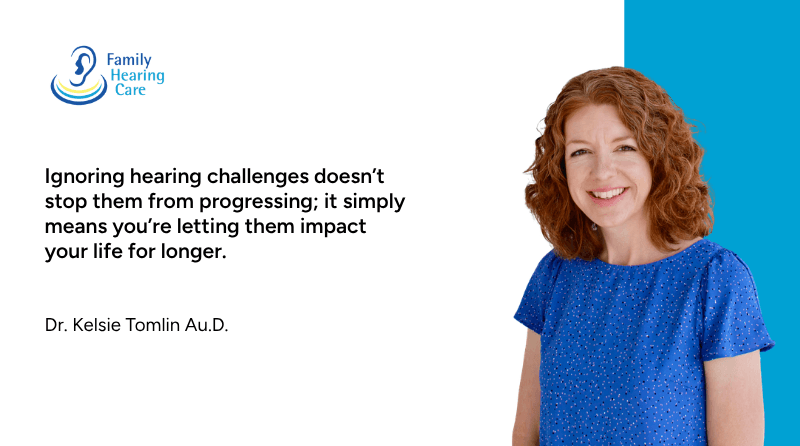
Dr. Kelsie Tomlin Au.D.
As an audiologist at Family Hearing Care, I have the same conversation nearly every day in our clinic. After I guide a patient through a comprehensive hearing assessment and carefully explain the results, they'll often pause, look at their chart, and ask, “But is it really that bad?” or “I don’t need hearing aids yet, right?”
That hesitation is completely understandable, but it also points to a huge misconception about hearing health. If you struggled to read a menu or see road signs, you’d get glasses, or if a tooth ached, you’d call the dentist. Yet hearing loss is often treated like a condition that can be put on the back burner.
What you may not realize is that over time, hearing difficulties can begin to affect more areas of your daily life, from conversations and relationships to the activities you enjoy. Your hearing deserves the same attention you give to your vision and dental health, and addressing concerns sooner can make the process easier.
The Double Standard in Our Health Choices
We often accept small corrective measures for other parts of our lives without a second thought. For example, you probably don’t think twice about putting on reading glasses or wearing a knee brace when you need a little extra support. Yet hearing care can feel different.
Part of the reason is that hearing difficulties tend to develop gradually. You don’t usually wake up one morning and suddenly struggle to hear. Instead, you may find yourself missing the punchline at a noisy restaurant, turning the TV up a little louder each time, or feeling more tired after a family gathering.
These changes can be easy to brush off, but they may be signs that your hearing warrants some attention. At Family Hearing Care, we believe you deserve support at every stage of your hearing journey and that even subtle changes are worth talking about.
Why Early Treatment for Hearing Difficulties Matters More Than You Think
Shifting the focus from "Do I need a device?" to "How can I protect my long-term wellness?" changes everything.
Here’s what it can mean for you:
Protecting Your Brain: When hearing difficulties are left untreated, your brain slowly forgets how to process certain sounds. This is called auditory deprivation. The auditory pathways that interpret speech can weaken, making it harder to understand conversations even after you get hearing aids. Research has even linked untreated hearing loss to a higher risk of dementia.
Reducing Cognitive Load: When you can’t hear clearly, your brain works overtime to fill in the gaps, which can become exhausting. Patients often report feeling mentally drained at the end of the day without realizing their hearing is the cause. By addressing hearing challenges, you free up that mental energy for other things, whether that’s work, family, hobbies, or simply enjoying your day.
Keeping You Socially Connected: Even mild hearing difficulties can make social situations challenging. The background noise at a coffee shop or a family dinner can become a wall of sound, making it difficult to follow conversations. This can lead to frustration and a gradual withdrawal from the activities you love.
The Reality of Delaying Hearing Care
I often hear patients say they’ll “wait until it gets worse.” The problem is that ignoring hearing challenges doesn’t stop them from progressing; it simply means you’re letting them impact your life for longer than necessary.
Adapting to hearing solutions is also much easier when you start early, because your brain can more easily adjust to processing sounds through hearing aids when hearing loss is still mild. Waiting until hearing difficulties are severe can make the adjustment period longer and more challenging.
Your Partner in Hearing Health
A comprehensive hearing assessment gives you insight into where you are today and how addressing changes could support the way you want to live. Getting this done early protects your brain, preserves your social connections, and improves your overall well-being.
If you’ve recently had a hearing assessment or feel like you might be missing things, don’t put your hearing health on the back burner. Let’s talk about what your results mean for your life and create a plan that feels right for you.
Contact our team at Family Hearing Care today to schedule an appointment or request a callback.
Frequently Asked Questions
Q: Why shouldn't I wait until my hearing gets worse to treat it?
A: Waiting allows your brain to gradually unlearn how to process certain sounds, a process called auditory deprivation. Treating hearing difficulties early keeps your neural pathways active, makes adapting to hearing aids much easier, and reduces the risk of cognitive fatigue and social isolation.
Q: What is auditory deprivation?
A: Auditory deprivation occurs when your brain goes extended periods without receiving certain sound inputs due to untreated hearing loss. Over time, the auditory pathways responsible for interpreting speech weaken, making it harder to understand speech clearly even after you eventually begin wearing hearing aids.
Q: Is untreated hearing loss linked to cognitive decline or dementia?
A: Studies from Johns Hopkins Medicine and other research has linked untreated hearing loss to a higher risk of cognitive decline and dementia. When your brain constantly works overtime to fill in missing sounds, it drains mental energy and puts unnecessary strain on your cognitive health.
Source
Search