How Hearing Aids Helped David Reconnect with Everyday Conversations
Dr. Kelsie Tomlin Au.D.
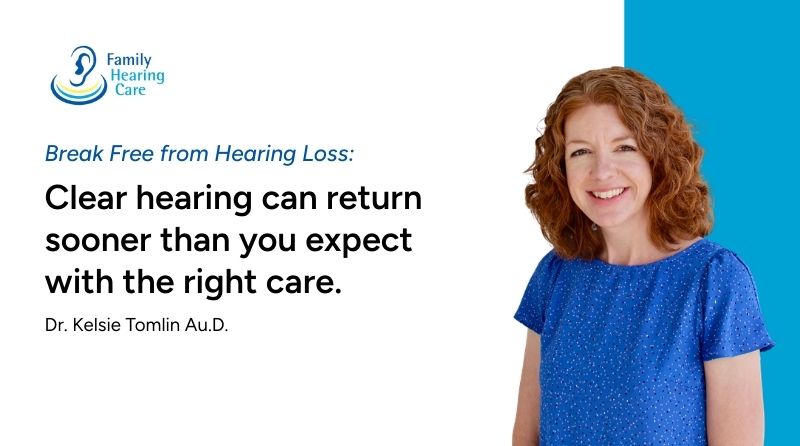
As an audiologist, I meet many patients who sense something is wrong long before they say it out loud. David’s story stands out because it reflects a form of denial I see often. Hearing challenges that feel gradual, explainable, or even dismissible when compared to someone else’s experience.
David told me, “I started to have trouble understanding people in regular conversations, then with TV, then everything.”
At first, the changes felt external. The room. The speakers. The volume settings. Not his hearing.
From our perspective, this slow progression is one of the most common reasons people wait. It rarely feels sudden. It feels negotiable. Until it isn’t.
When Denial Feels Logical
David’s denial made sense to him at the time. As he explained, “I was only in my early seventies, so I first thought the problem was with everything else.”
I hear this reasoning often. We compare ourselves to parents, spouses, or friends and decide we are not there yet. David later summed it up perfectly when he said it was “a case of denial losing to reality.”
From my side of the chair, this moment matters. It is often the first honest turning point. Not driven by fear but by curiosity and a desire to understand what is truly happening.
This is also when hearing loss starts to feel less abstract. When conversations fade. When television volume creeps up. When effort replaces ease.
Trust Built Before the First Visit
What stood out to us immediately was how calm David felt walking into our clinic. He shared, “I had zero fears because my mother had already been a patient at Family Hearing Care.”
Trust like that is never taken lightly by our team. Family connections carry weight. They reflect long-term care, consistency, and follow-through.
David described our staff as “very tuned in to their patients, friendly, patient, and knowledgeable.” For us, that combination is not accidental. It is foundational.
Hearing Aids That Fit into Real Life
Once testing confirmed hearing loss, we discussed hearing aids. David approached the conversation with openness and practical curiosity.
After being fit, he was pleasantly surprised. “Hearing aids have been a huge help and easier to get used to than I expected,” he shared.
That adjustment period is something many people worry about. From my clinical perspective, success often comes from proper fitting, patient education, and realistic expectations. Hearing aids are not magic, but when selected carefully, they integrate naturally into daily routines.
David now hears conversations without constant strain. The television no longer feels like the problem. Hearing feels easier again, which is exactly the goal.
Across patients, this shift often brings quiet relief. Less effort. Less second-guessing. More presence.
The Importance of Comfort and Connection
One of my favorite parts of David’s story is what he chose to highlight next. Not just the technology but the atmosphere.
“My favorite part is the banter with Kelsie,” he said, laughing, “mostly about her Robinhood shoes.”
Hearing care should feel human. Comfortable. Light enough to make room for humor. From our side, those moments matter because they build trust. They make appointments something you do not dread.
A relaxed environment helps patients ask better questions and feel more confident in their decisions. Good hearing care is technical, but it is also relational.
Starting With a Clean Foundation
David offered thoughtful advice for others considering a hearing exam. “I would tell anyone concerned about their hearing to take the time on their first visit to get their ears professionally cleaned there, then take the full exam.”
This is an excellent point. Earwax buildup can impact hearing test results and device performance. Professional cleaning helps ensure testing reflects true hearing ability.
From a clinical standpoint, starting with a clean foundation gives us the clearest picture possible. It also helps patients feel more comfortable and confident throughout the process.
Taking the time to do things right, rather than fast, makes a meaningful difference.
Choosing Clarity Over Comparison
Looking back, David’s experience is a reminder that hearing loss does not follow a timeline. It does not wait for a certain age or mirror a parent’s journey.
Once denial gave way to understanding, the path forward became much simpler. Hearing aids fit into his life more easily than expected. Conversations feel natural again. The world sounds clearer.
For us at Family Hearing Care, stories like this reinforce why attentive care matters. When patients feel heard, supported, and respected, outcomes improve.
If you recognize your own story in David’s experience, we are here to help.
Schedule a hearing evaluation with us and take the time to hear the life you love with clarity again.
FAQs
Do hearing aids work if hearing loss develops slowly?
Yes. Hearing aids are often very effective for gradual hearing loss and can restore clarity before frustration becomes overwhelming.
Should ears be cleaned before a hearing test?
Professional ear cleaning can improve test accuracy and comfort during the evaluation process.
Are hearing aids difficult to get used to?
Most patients adjust more easily than expected when devices are properly fitted and supported.
Source
https://www.nidcd.nih.gov/health/hearing-aids
This resource explains how hearing aids work and why early evaluation supports better hearing outcomes.
Search